
Lucy Andrew discusses how she transformed Austen's Harriet Smith into a feisty detective in her new novel A Very Vexing Murder.
As a huge fan of both Jane Austen and crime fiction, my urge to combine the two originated in my A-Level English homework, a co-written piece of Emma fan fiction in which I explored the suspiciously convenient timing of Mrs Churchill’s death, which allowed her nephew, Frank Churchill, to marry his secret fiancée, Jane Fairfax, of whom his aunt would definitely have disapproved. Over twenty years later, I’ve finally turned that germ of suspicion into a published novel.
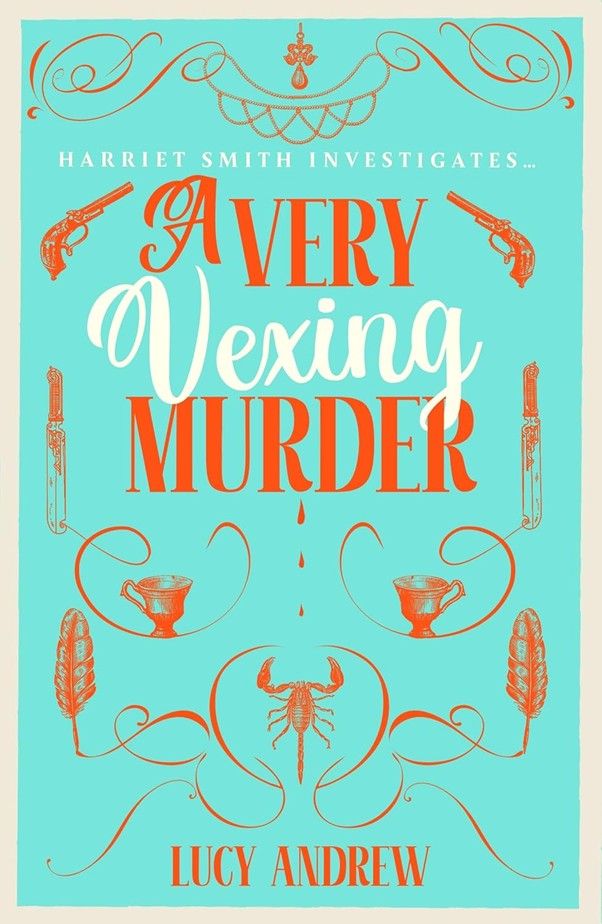
A Very Vexing Murder is a cosy crime retelling of Jane Austen’s Emma which transforms Emma’s mousy little sidekick, Harriet Smith, into a feisty-con-woman-turned detective who is hired to investigate a murder that hasn’t yet been committed. Harriet is employed by the tyrannical Mrs Churchill to break off her nephew’s secret engagement to Jane Fairfax who, she claims, is trying to kill her. Set in the Regency period and within the locations and narrative timeframes of Austen’s Emma, my work began by establishing how Harriet’s story fits into Austen’s narrative, in which she is a satellite of Emma Woodhouse’s story. I had to make decisions about the key events, characters and locations from Austen’s novel that I would be bringing into Harriet’s narrative. I wanted to ensure that the skeleton of Emma could be traced by Austen fans and that there were plenty of rewards for the reader who was familiar with Emma.
But, as with every retelling, and particularly those that blend genres, I had to ensure that the novel worked as a detective narrative in its own right for readers without any knowledge of Austen’s oeuvre. Emma’s status as a proto-detective novel, as discussed by P. D. James amongst others, certainly helped make my job easier. Emma is full of secrets, scandals, misdirection and clues hidden in plain sight. There is no murder mystery, but there are plenty of marriage mysteries for the readers to solve (and for Emma herself to wilfully misinterpret). Harriet Smith may seem like an unlikely detective, but it was exactly for this reason that I selected her as my sleuthing heroine. Nobody expects anything from sweet, pliable Harriet and, so, like Christie’s Miss Marple, she is perfectly placed to investigate. She is invisible, socially mobile and, seemingly, insignificant.
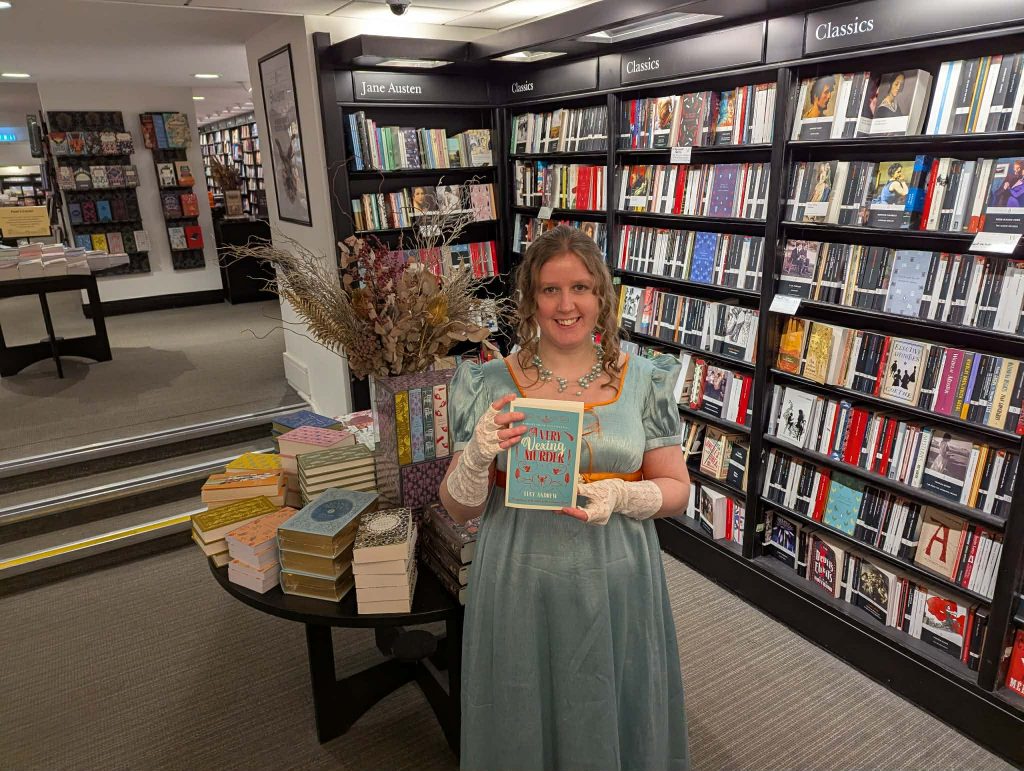
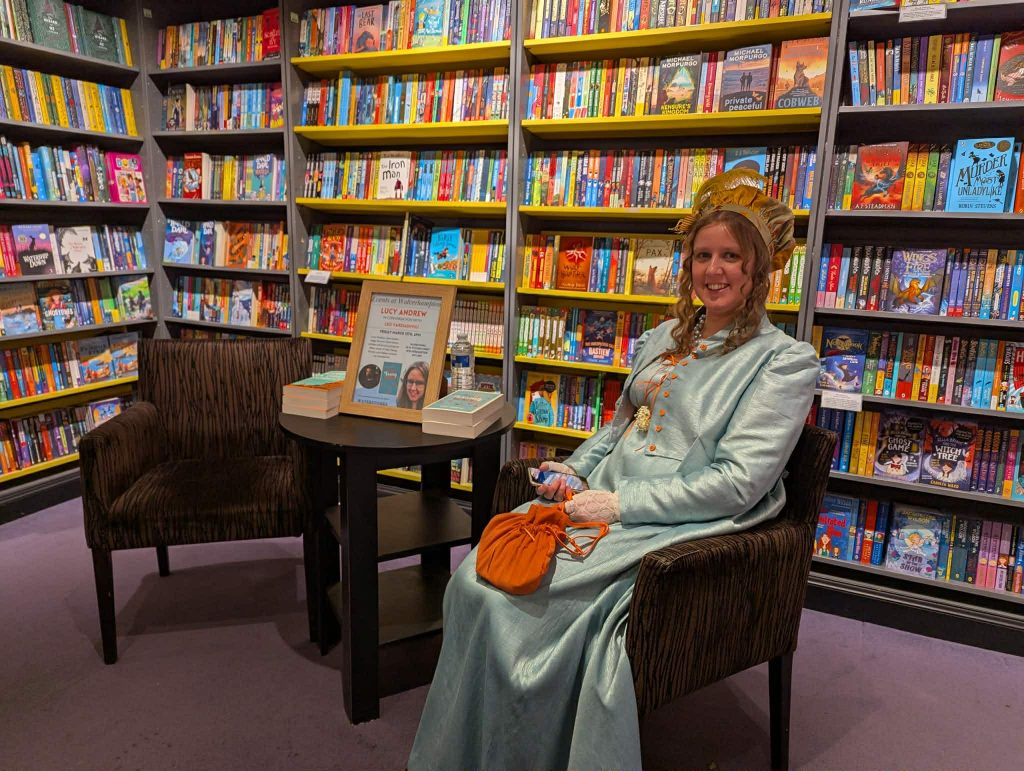
Transformation is a key part of retellings. A retelling needs to do something new with the original novel: bring things from the margins to the centre; offer fresh perspectives; challenge dominant readings of the source text. In A Very Vexing Murder, much of this work was done through my re-characterisation of Harriet Smith. Firstly, I wanted to respond to the prevailing representation of Harriet as a country bumpkin and naïve little idiot that is perpetuated in many adaptations and retellings of Emma. It’s very easy to play Harriet for laughs, but she is not often given her due credit for having the courage, at last, to resist Emma’s influence and trust her own instincts in deciding to marry Robert Martin. I don’t think that Harriet is quite as silly as she’s purported to be and so I wanted to come up with an alternative narrative which empowered Harriet and explained away her naivety – hence why, in my version, she is a con woman, playing the role of sweet little Harriet Smith in order to infiltrate Highbury society to do her job.
I also wanted to explore the class ambiguity surrounding Harriet as an illegitimate child of unknown parentage. There are huge gaps in Harriet’s backstory – which Emma herself attempts to fill in Austen’s narrative (erroneously, of course) – but I wanted to play with the idea of her class ambiguity. What if Harriet is from good stock, but has fallen on hard times? Who are her parents and why have they abandoned her? Or why has she abandoned them? Connected to this, I wanted to explore the precarity of the protagonist’s position and alternative roles that could be open to her through engaging in a profession, initially as a con-woman and then as a detective. In Emma, the idea of a woman working is regarded as a terrible fate in the case of Jane Fairfax who, if she is unable to marry well, will have to go into the governess trade, which she compares to the slave trade. I wanted to challenge the narrative of tragedy surrounding the unmarried, working woman by tying Harriet’s transformation into a detective to her moral growth and independence. And, through the transformation of Robert Martin into Harriet’s gay best friend rather than her love interest, I wanted to challenge the heteronormativity of Austen’s narratives by introducing a more diverse cast of characters and relationships, including male/female platonic friendships, which are touched upon in Austen’s novels, but are never centre stage.
The best thing you can do with a retelling is to give your readers something that they didn’t even know they wanted. In my case, that’s murder most Austen and an unlikely detective heroine who is just the girl to solve it.
A Very Vexing Murder is out now in the UK with Corvus (Atlantic Books) and will be published in the US with William Morrow (HarperCollins) on 12th May.

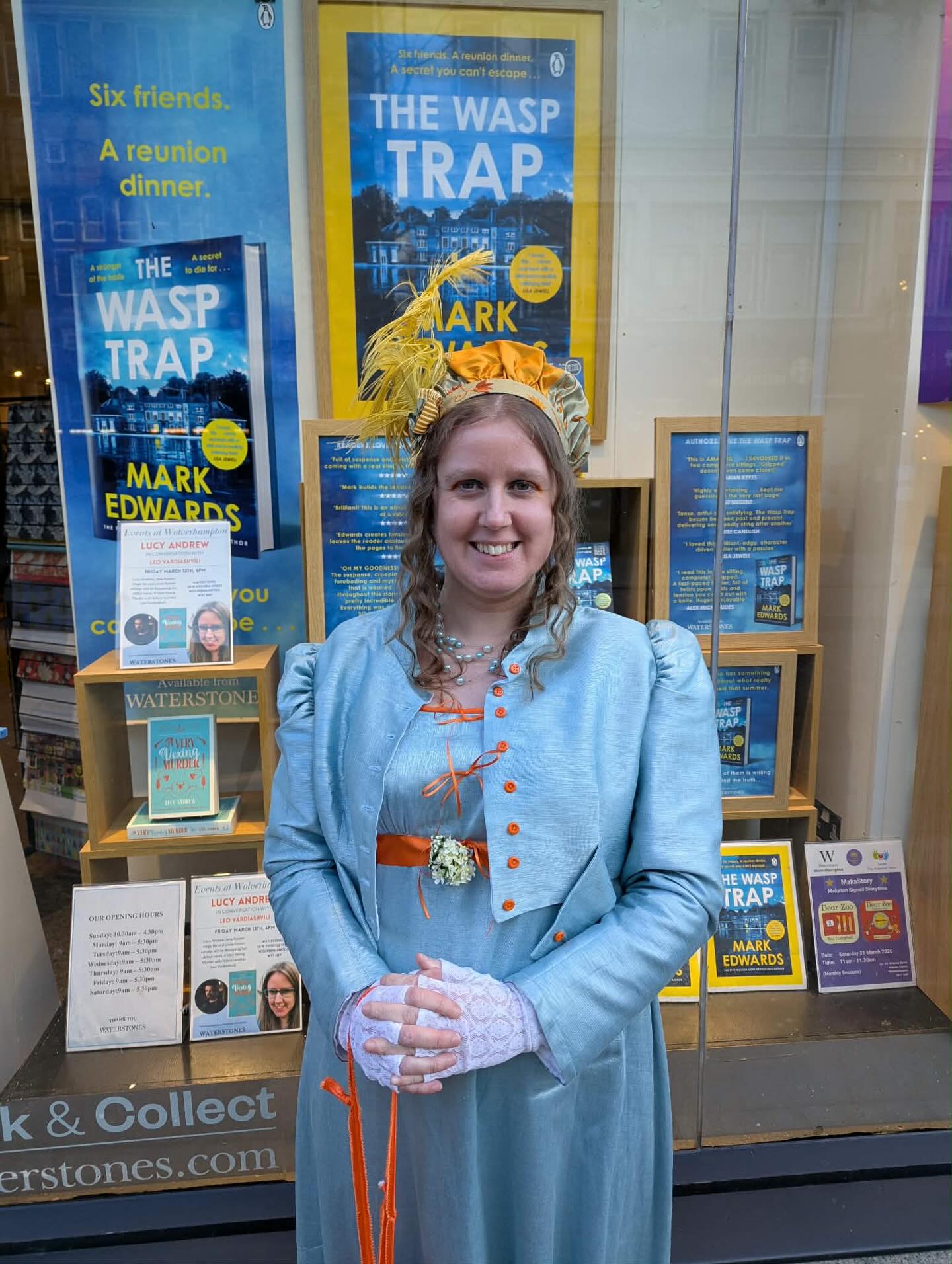
Lucy Andrew is a crime writer and crime fiction scholar who has an unhealthy fixation with Jane Austen. She has a PhD in English Literature from Cardiff University and was a Senior Lecturer in English Literature before leaving academia to concentrate on her writing. Her academic publications include The Boy Detective in Early British Children’s Literature and edited collections Crime Fiction in the City: Capital Crimes with Catherine Phelps and The Detective’s Companion in Crime Fiction: A Study in Sidekicks with Samuel Saunders. You can find out more about her work at https://www.lucyandrew.com/ and you can sign up for her Secret Sleuths Club here to receive her latest author newsletter, plus an exclusive article, ‘Five Ways Jane Austen Paved the Way for Golden-Age Detective Fiction’.
You can find Lucy on Instagram: @drlucyandrew; X: @LucyVAndrew; Facebook: Lucy Andrew; Bluesky: @LucyVAndrew